We work to transform vulnerable territories through science, technology and education.
We combine a track record of research with environmentally and fiscally sustainable social programs to build healthier, better-educated and more prosperous communities, in Colombia and beyond.
Vision
Our lines of work
- 01
Public health
Epidemiological surveillance, point-of-care diagnostics and vector control for infectious and vector-borne diseases in amphibious territories.
- Aedes
- Rickettsia
- Chagas
- COVID-19
17
scientific publications since 2016
- 02
Education
Amphibious education with mobile labs, science applied to local problems and scientific mentorship for students and teachers in flood-prone areas.
- AnfibIA
- STEAM
- Lab boat
35
school campuses in the partner network
- 03
Agroecology
Recirculating aquaculture, tropic-adapted sheep farming and circular production to reduce pressure on the wetland.
- RAS
- TropiOvi
- TropiFish
52,000
people depend on the wetland
- IA
Across all three fronts
Artificial Intelligence
Computer vision and data science applied to Aedes monitoring, AnfibIA classrooms and the management of productive systems.
- Col-Ovo
- OviLab
On film
Our Amphib-AI vision
A short film about the amphibious laboratory and the wetland community.
- Format
- Vertical short
- Location
- Chilloa wetland, Magdalena
- Source
- Fundación Chilloa · YouTube
Science
Scientific output
- 17
- scientific publications
- 13
- journals and publishers
- 2016–2026
- years of continuous output
Publications per year, 2016–2026
Hover a year to see its papers.
- 2016: 2
- Comparative growth of spotted fever group Rickettsia spp. strains in Vero cells
- Strategy to determine the baseline in areas of vector interruption of Chagas disease
- 2017: 3
- Evaluating the Surveillance System for Spotted Fever in Brazil Using Machine-Learning Techniques
- Multi-criteria decision analysis and spatial statistic: an approach to determining human vulnerability to vector transmission of Trypanosoma cruzi
- Spotted Fever: Epidemiology and Vector-Rickettsia-Host Relationship in Rio de Janeiro State
- 2018: 1
- One World, One Health Challenge: The Holistic Understanding of Rickettsiosis Integrating Multi-Criteria Analysis Techniques and Spatial Statistics
- 2019: 0
- 2020: 2
- Use of point-of-care technologies for the management of the COVID-19 pandemic in Colombia
- Usefulness of autocidal gravid ovitraps for the surveillance and control of Aedes (Stegomyia) aegypti (Diptera: Culicidae) in eastern Colombia
- 2021: 2
- Genetic diversity and population structure of Rhipicephalus sanguineus sensu lato across different regions of Colombia
- Reproducibility of rapid diagnostic tests for Trypanosoma cruzi infection in endemic areas of Colombia
- 2022: 2
- ColDengue: A novel surveillance and control tool for Aedes aegypti
- Food and Chagas disease: strategies to reduce the risk of infection with Trypanosoma cruzi
- 2023: 0
- 2024: 1
- Wolbachia-based emerging strategies for control of vector-transmitted disease
- 2025: 1
- Handmade ovitraps and hot water: an auxiliary strategy for the control of the Aedes aegypti mosquito in Colombia
- 2026: 3
- Col-Ovo: Smartphone-based artificial intelligence for rapid counting of Aedes mosquito eggs under field conditions
- Programmatic implementation of Ovicol ovitraps for Aedes spp. control in Colombia: operational adherence, effectiveness and comparisons with AGO and BG-Sentinel traps
- Sanitary standards in the Colombian agri-food industry: a new evaluation model
Recent selection
See all publications2026 · Article
2026 · Article
2026 · Article
Estándares sanitarios en la industria agroalimentaria colombiana: Un nuevo modelo de evaluación
Sanitary standards in the Colombian agri-food industry: a new evaluation model
Revista de la Universidad del Zulia, 17(48)
2025 · Article
Ovitrampas artesanales y agua caliente: estrategia auxiliar para el control del mosquito Aedes aegypti en Colombia
Handmade ovitraps and hot water: an auxiliary strategy for the control of the Aedes aegypti mosquito in Colombia
Revista Panamericana de Salud Pública, 49
Education
AnfibIA
A lab boat, a tech bus and a transport boat to bring science to the schools of the Chilloa wetland.
Lab boat
In designMobile science classroom
40 students
Tech bus
In designUrban STEAM classroom
30 students
Transport boat
In designAccess for remote zones
25 people
STEAM methodology
Three-week field cycles around the wetland's fish: capture and biometrics (Science), tabulation and statistics (Mathematics), classifier apps (Technology) and community campaigns (Arts and Engineering). Up to ten community problems solved each year.
Operation guaranteed by municipal and departmental governments together with scientific–community tourism. The platform can serve as a mobile lab for more than 1,500 wetlands across the Momposina Depression and La Mojana.
- 17,000+
- hectares of wetland in the pilot territory
- 52,000
- people depend on the wetland
- 35
- campuses across 10 school districts
- 13
- associations of fishers, women and farmers
- Up to 10
- local problems solved each year
- 1,500+
- wetlands where the platform can operate
About us
Fundación Chilloa
We are a Colombian research centre. The office is in Santa Marta; the fieldwork is in the Chilloa wetland, deep in the Momposina Depression.
- Team
- Researchers, engineers and community leaders, split between the laboratory and the wetland.
- Focus
- We work on public health, education and agroecology in amphibious territory, and artificial intelligence runs through all three.
- Partners
- We work with the University of Cartagena, the University of Magdalena, UC Santa Cruz, Minciencias and PAHO/WHO — and before any of them, with the people of the wetland.
The Chilloa Model
Science, technology and community
Each vertex feeds the other two. Research produces tools, the tools are tested in the field, and what happens in the field decides the next question.
- Science
- We do applied research, publish it under peer review, and open the data.
- Technology
- We build tools that hold up in the field: Col-Ovo, OviLab, and AI models that run at the point of care.
- Community
- We design alongside fishers, teachers, students and local authorities.
Our team
A group of researchers working in the laboratory, in the field and for communities, in Colombia and beyond.
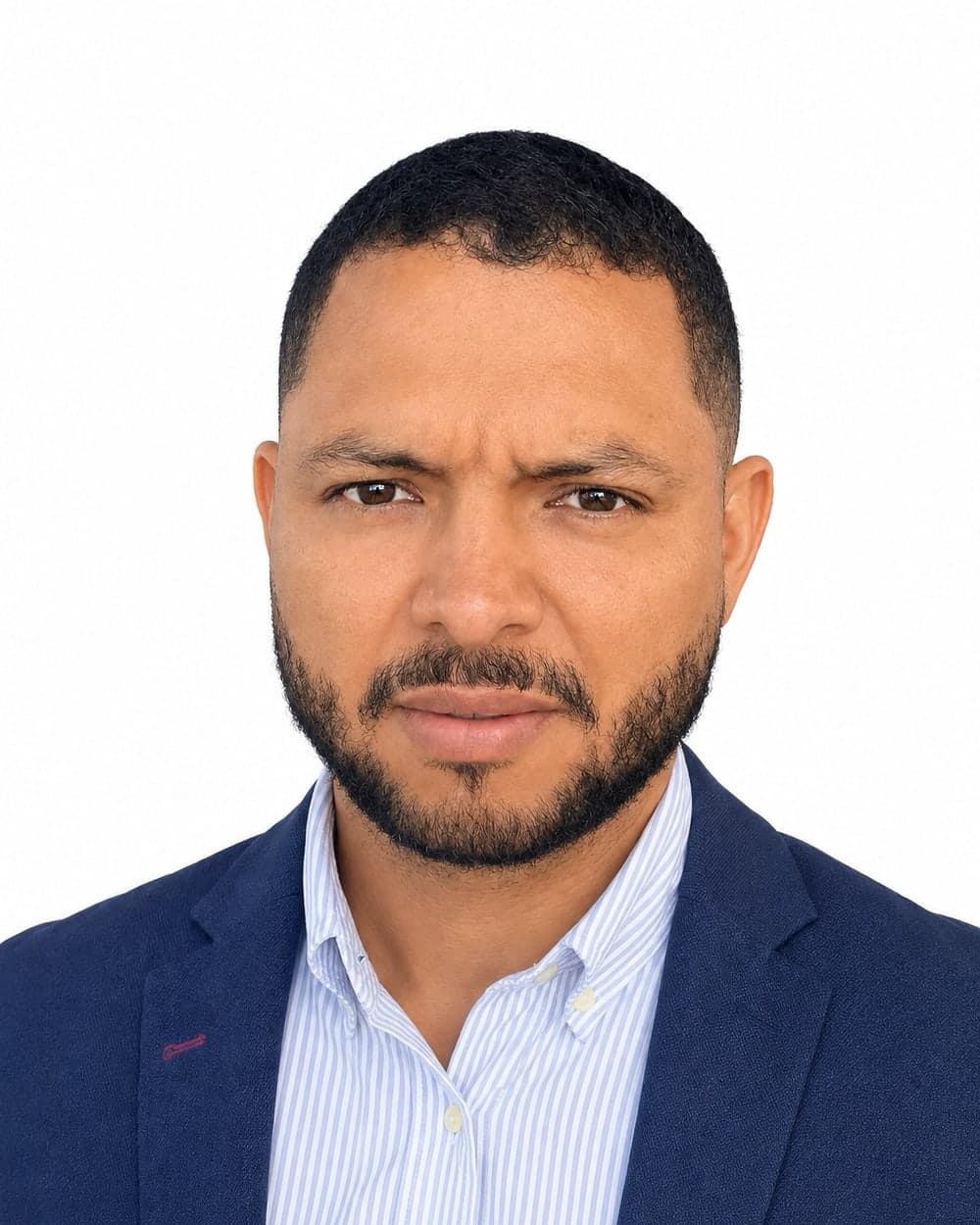
Diego Montenegro
Director
A biologist with a master's and a doctorate in tropical diseases, and director of Fundación Chilloa. Has spent more than a decade on the surveillance and control of vector-borne disease in Colombia and Brazil: rickettsiosis, Chagas, the arboviruses carried by Aedes. Combines fieldwork with spatial analysis and machine learning, and leads Ovicol and Col-Ovo, two projects trying to turn entomological surveillance into something communities can run on their own.
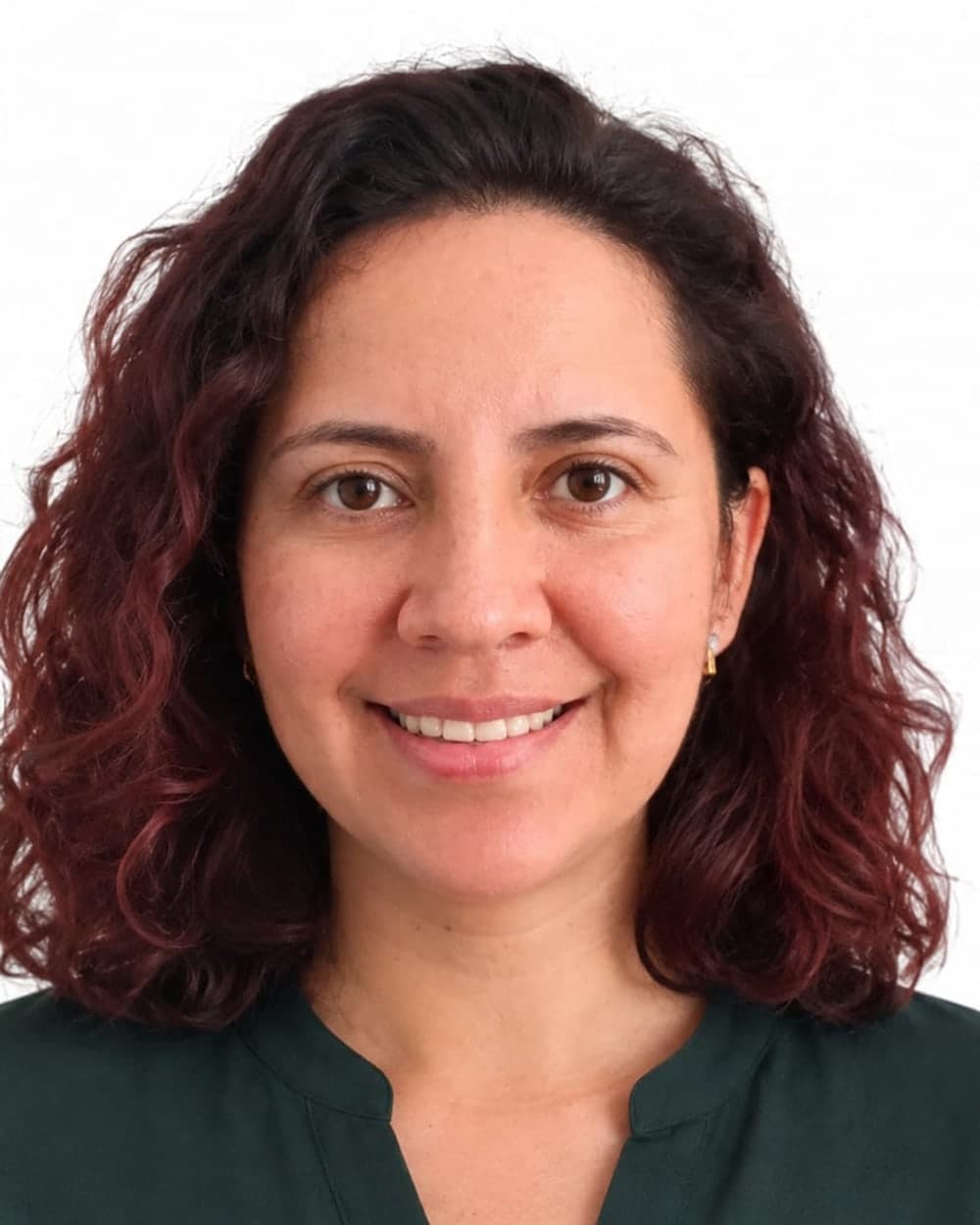
Idalba Serrato
Associate researcher
A biologist with a doctorate in Biology-Health, she has spent more than eighteen years studying the insects that carry disease. She works across medical entomology, virology and infectious disease, and wants research to answer the real problems of public health: her work runs from the molecular mechanisms of infection to what those findings mean for the wellbeing of communities.
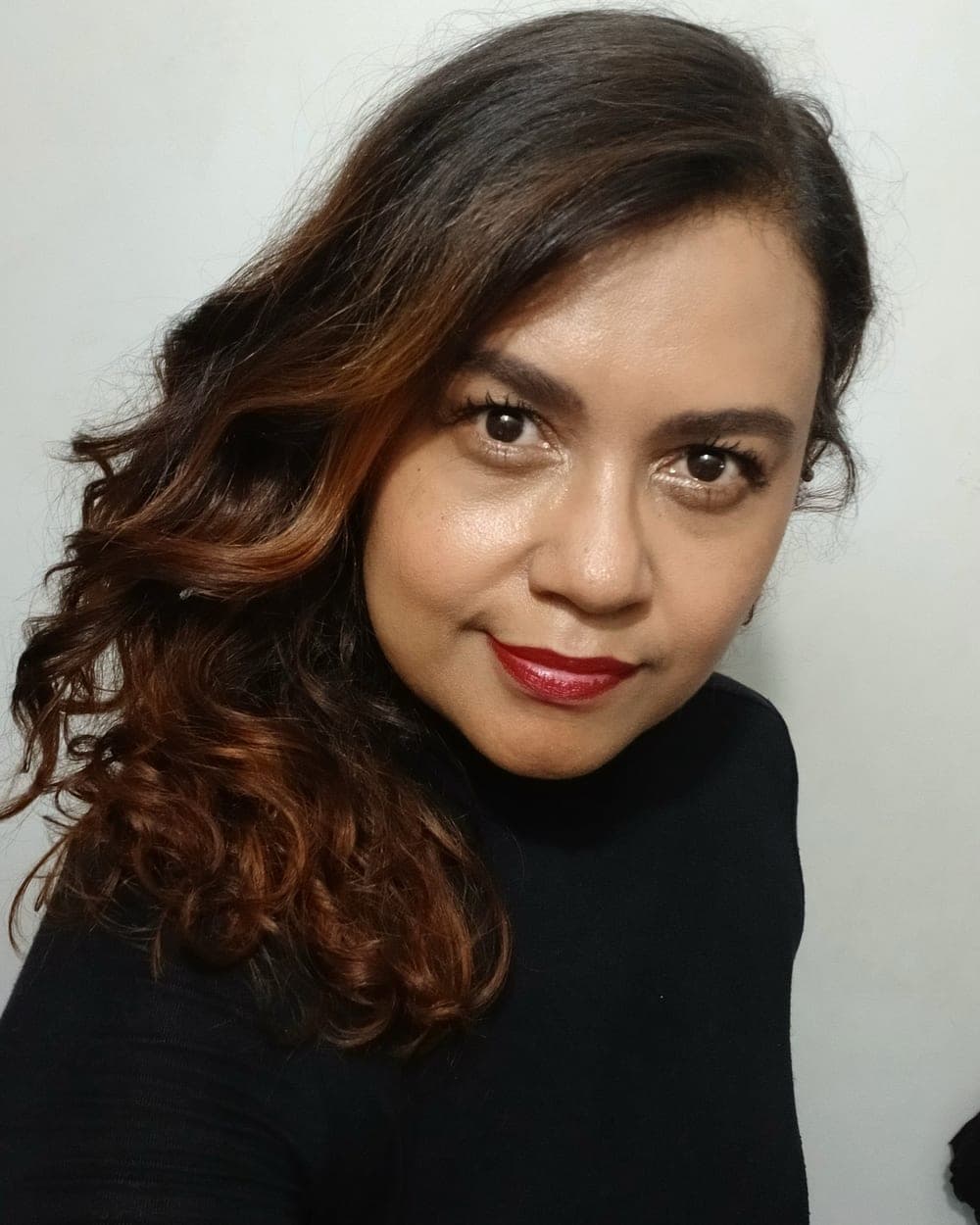
Nancy Monsalve
Associate researcher
A professional in Food Science and Technology with a master's in social management and integral development, she leads the work on food security. She teaches and researches at Universidad de los Llanos, where the question underneath everything is how communities come by food that is safe and nourishing. She brings science together with project management and technology to head off risks, and works close to the ground, with rigour, measuring it all by social impact.
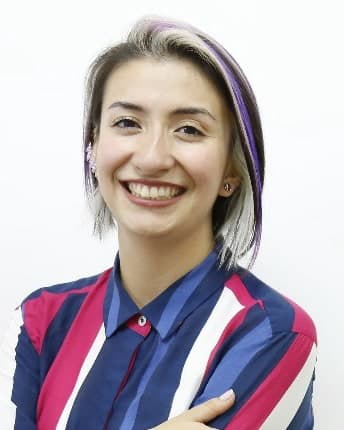
Karen Murcia
Associate researcher
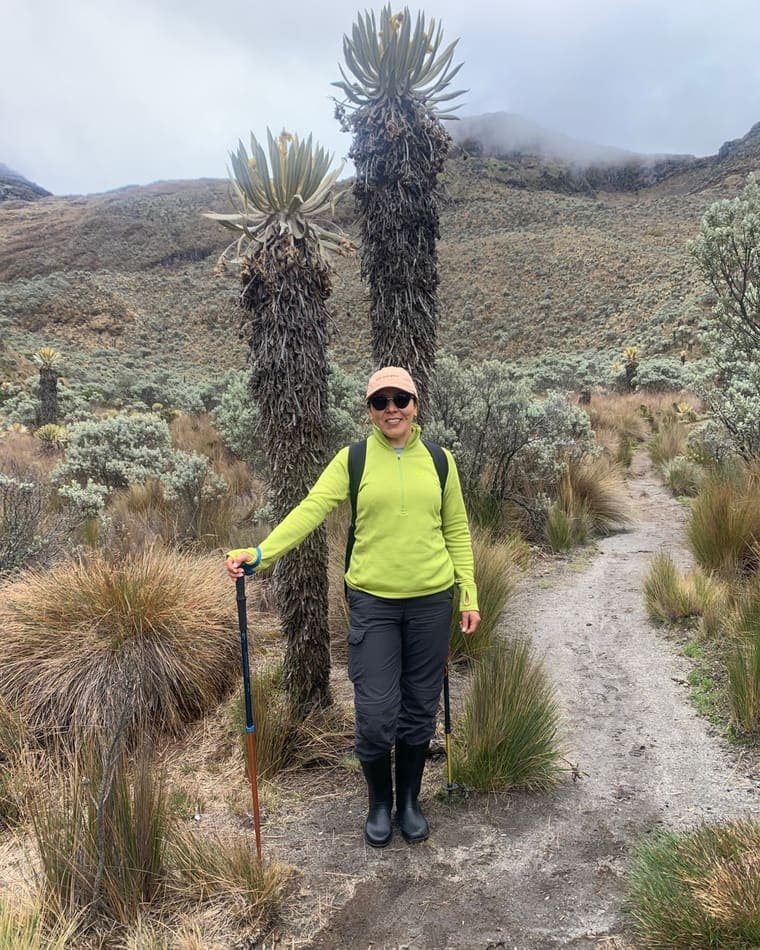
A bioengineer and a specialist in Environmental Education. She works on the less visible side of science: coordinating research processes, supporting research groups and the recognition of their researchers, keeping track of what gets produced. She also teaches, and runs laboratory analysis of soil, compost and water. Outside work she swims, hikes, and likes learning about bees: their diversity and how to conserve them.
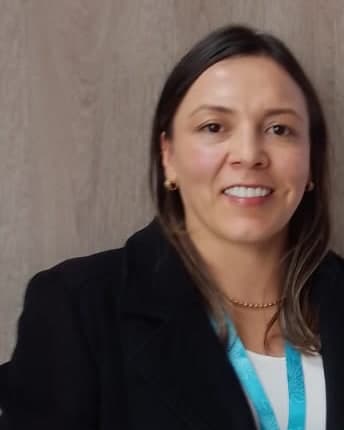
Migdalia García
Associate researcher
A biologist with a master's in Sciences–Biotechnology and a specialist in project direction and management. She has worked as an instructor, a lecturer and a researcher, and what moves her is building projects where science, education and care for the environment work together and leave something behind in the community. She cycles, runs and walks outdoors, which is where the love of nature shows.
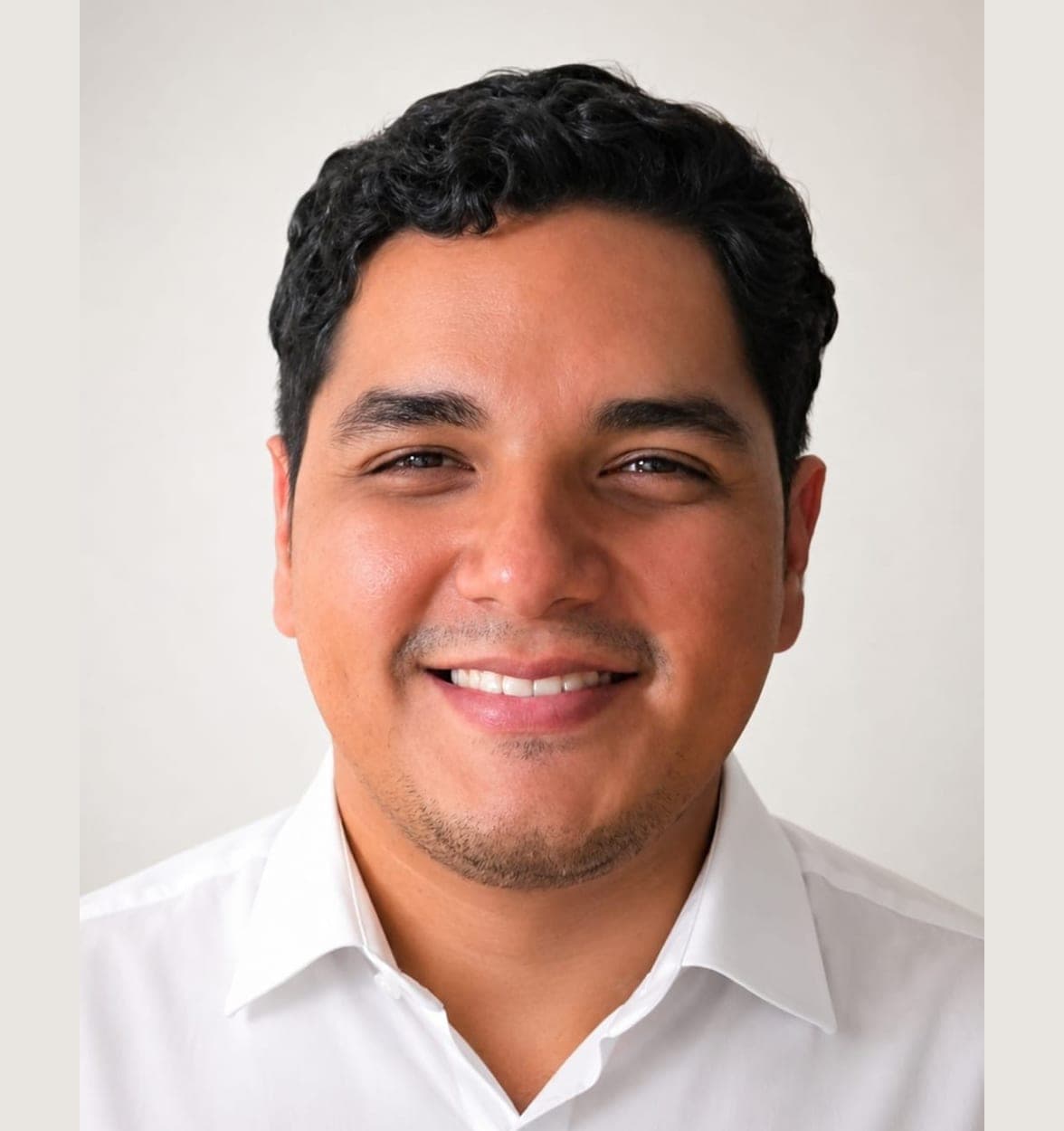
Andrés Rojas
Associate researcher
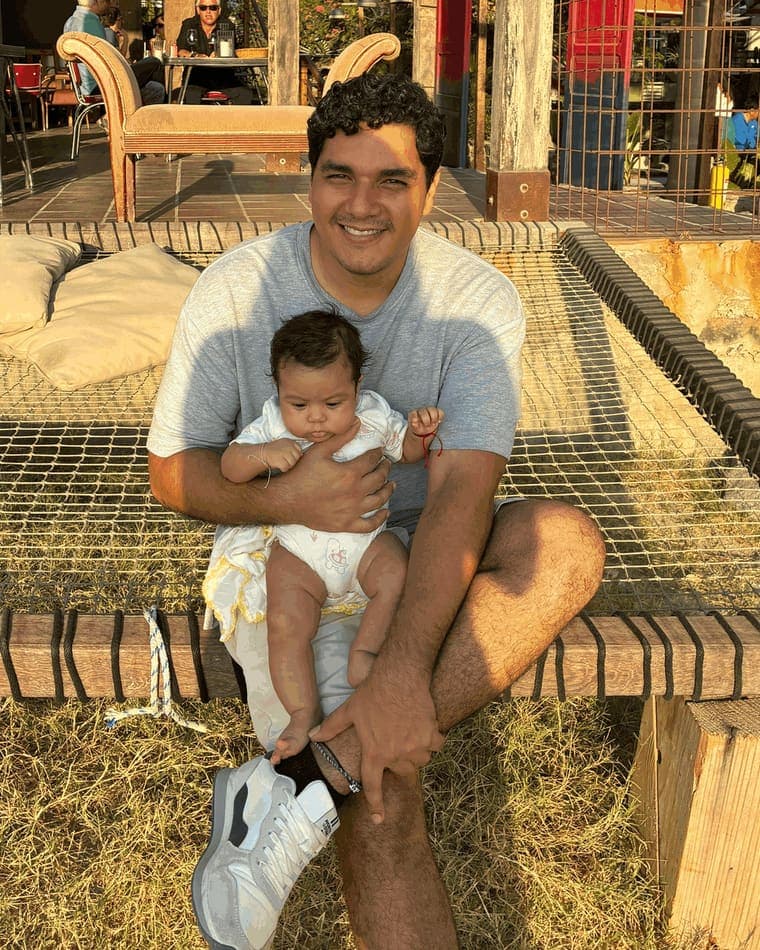
A university lecturer at Universidad Popular del Cesar, working in biostatistics and zoonoses. The field is where he belongs: he researches environmental health and zoonotic disease alongside Indigenous and campesino communities, bringing the rigour of data analysis together with the knowledge of the people who live there. He is methodical, and plans his days with care. Married and the father of a daughter, he is a family man above all.
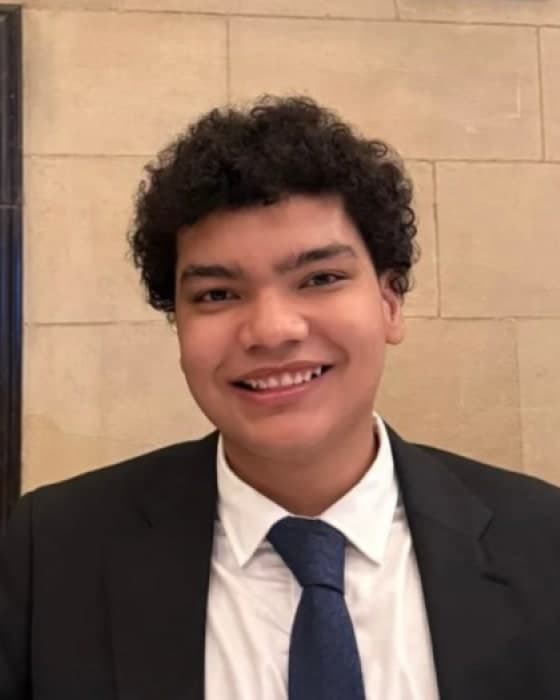
Juan Almanza
Associate researcher
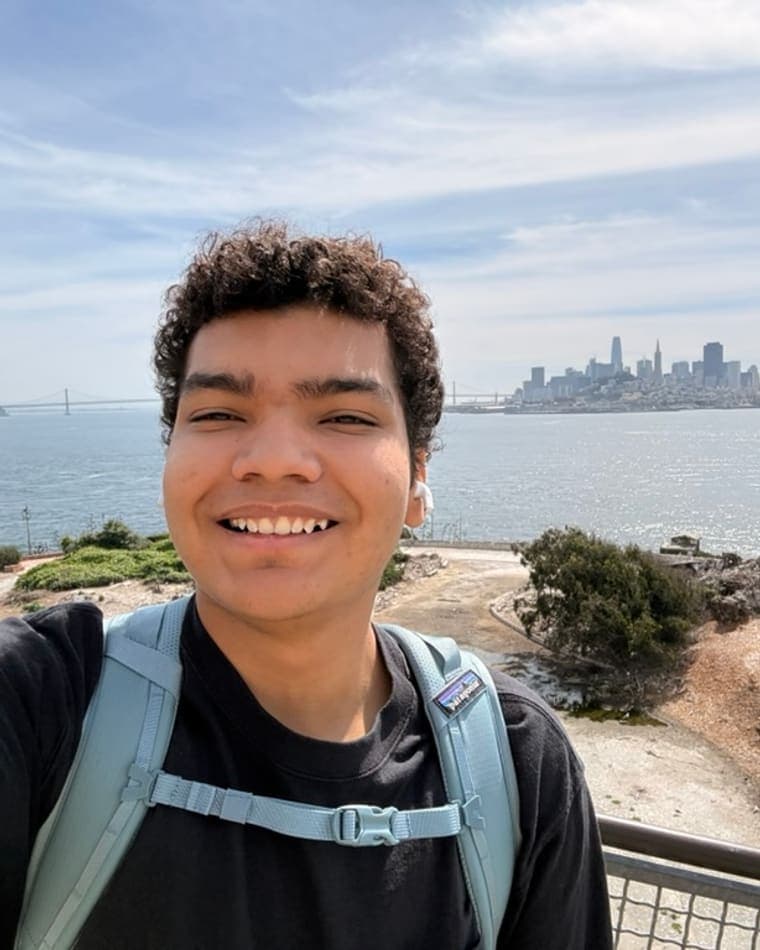
Studies biology and mathematics at Minerva University and researches artificial intelligence applied to public health. Has worked for the Pan American Health Organization (PAHO/WHO) and for Stanford University. First author of Col-Ovo, the model that counts Aedes eggs in photographs taken on a phone, and built OviLab, where surveillance teams retrain that model on their own images. A RISE Fellow of the Rhodes Trust, with several international distinctions in computer science.
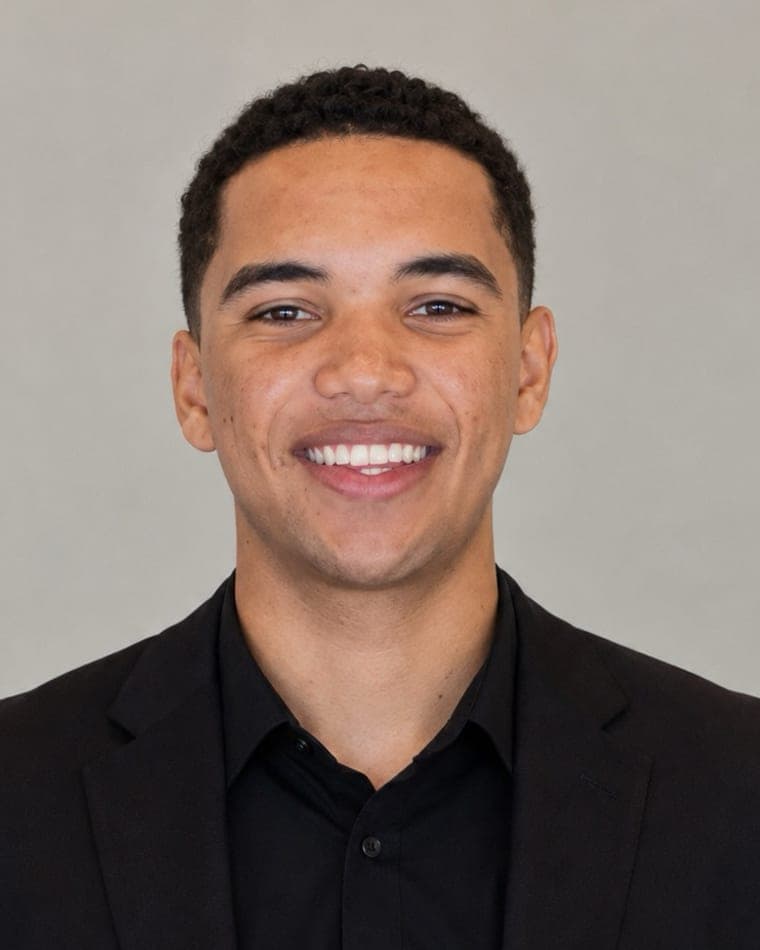
Yoinner Gandara
Associate researcher
Studies Systems and Computing Engineering at Universidad del Norte. He builds full stack and works in artificial intelligence and automation: what interests him is an idea ending up as something that works, that smooths a process or answers a real need. He has also run technology workshops with children, young people and communities, where he explains artificial intelligence and web development by doing it rather than describing it.
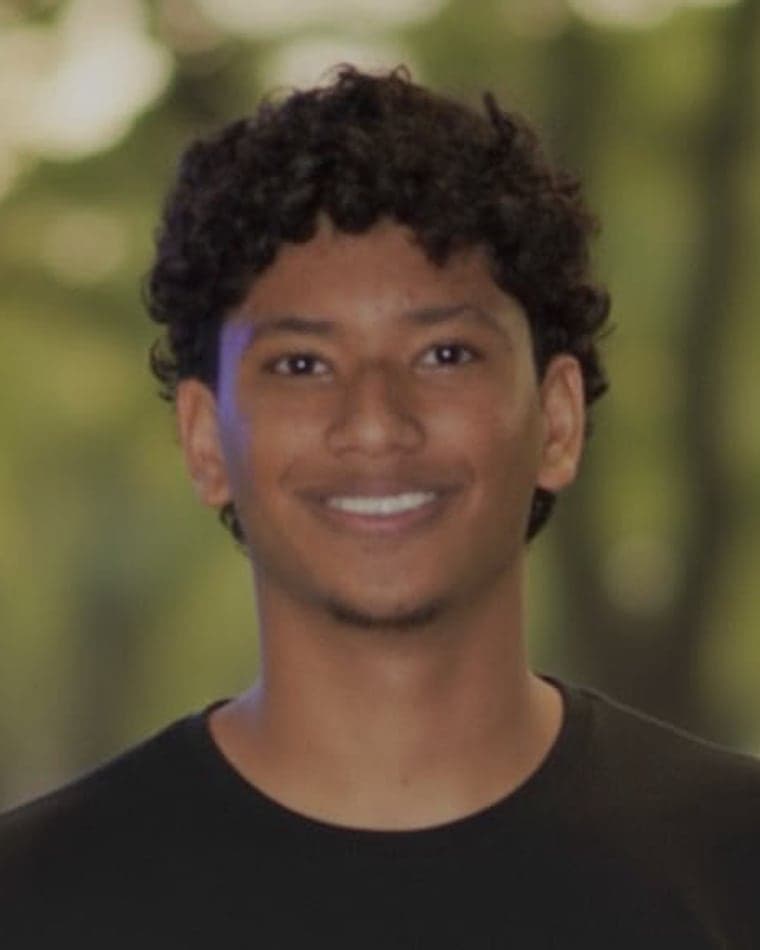
Luis Herrera
Associate researcher
Studies Systems Engineering and Biomedical Engineering at Universidad del Norte, at the crossing of technology and health. He works in robotics, artificial intelligence and databases, and has collaborated with research institutes on MinTIC calls. A two-time national robotics champion, he won the 2023 Skill Challenge Robotics and the local 2024 NASA Space Apps Challenge, and is a founding member of S3 Robotics. He studied microcontrollers at Northern Illinois University.
Join us
Fund or partner with us
We are looking for government, international cooperation and private-sector partners willing to invest in a model with measurable impact.